 +91 9163864955
HIPAA Compliance in Medical Billing
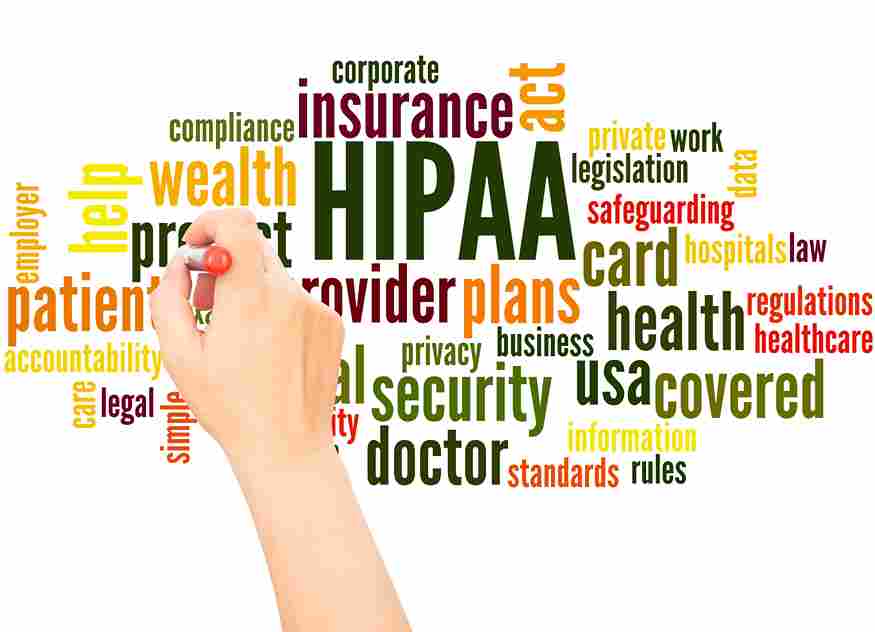
Healthcare organizations handle thousands of patients records every day, making privacy and data security more important than ever before. From hospitals and clinics to third-party billing companies, every healthcare provider must ensure that sensitive patient information remains protected during the billing process. Medical billing errors, cyber threats, and unauthorized access can lead to severe financial penalties and loss of trust. This is why HIPAA compliance in medical billing has become one of the most critical aspects of healthcare administration in modern times. HIPAA regulations were designed to safeguard patient data, maintain confidentiality, and establish secure standards for electronic healthcare transactions.
Medical billing professionals work with insurance claims, treatment details, patient histories, and payment records daily. Without proper compliance procedures, healthcare providers may accidentally expose confidential information or fail to meet legal requirements. HIPAA not only protects patients but also helps healthcare organizations create secure operational systems that improve efficiency and credibility. As healthcare technology evolves, billing systems are becoming increasingly digital, requiring stronger cybersecurity measures and stricter documentation protocols.
Modern healthcare facilities must train employees, implement secure software systems, and regularly monitor billing practices to avoid violations. Compliance is no longer optional; it is a necessity for sustainable healthcare operations. Organizations that prioritize data security can strengthen patient confidence while reducing legal and financial risks associated with data breaches and claim management issues.
Understanding HIPAA Regulations in Healthcare Billing
HIPAA, or the Health Insurance Portability and Accountability Act, establishes national standards for protecting sensitive patient information. In medical billing, these regulations ensure that billing companies and healthcare providers securely manage patient data during claims processing, payment collection, and insurance verification.
Healthcare providers often exchange electronic health information with insurance companies and third-party administrators. HIPAA regulations require organizations to use secure communication channels and encrypted systems to protect patient records from unauthorized access. Billing departments must also maintain proper documentation and access controls to prevent data misuse.
Failure to comply with HIPAA standards can lead to legal penalties, financial losses, and damaged reputations. This makes regulatory awareness essential for every healthcare organization.
The Role of Data Security in Medical Billing
Data security plays a major role in maintaining trust within healthcare systems. Medical billing teams process highly confidential information, including patient diagnoses, treatment histories, and insurance details. Strong security protocols help prevent cyberattacks, identity theft, and unauthorized disclosures.
Healthcare organizations are increasingly adopting cloud-based billing systems and electronic health records. While these technologies improve efficiency, they also create new cybersecurity risks. Regular system monitoring, employee training, and secure password management are necessary for reducing vulnerabilities.
Maintaining HIPAA compliance in medical billing also involves ensuring that all third-party vendors follow the same privacy standards. Billing partners and outsourcing companies must sign Business Associate Agreements to confirm their commitment to protecting patient information.
Common HIPAA Violations in Billing Departments
Many HIPAA violations occur because of simple mistakes or inadequate staff training. Employees may accidentally send patient information to the wrong recipient or fail to secure physical records properly. Weak passwords, unsecured devices, and improper disposal of documents are also common causes of data breaches.
Healthcare providers must establish clear policies regarding data access and information sharing. Staff members should only access records necessary for their specific roles. Organizations should also conduct regular audits to identify weaknesses in their billing systems and compliance procedures.
Another common issue involves outdated software systems that lack modern security features. Upgrading billing technology and implementing encryption tools can significantly reduce the risk of violations and improve overall operational efficiency.
Staff Training and Compliance Monitoring
Employee education is one of the most effective ways to prevent HIPAA violations. Billing staff should receive regular training on privacy regulations, cybersecurity awareness, and secure handling of patient records. Ongoing education helps employees stay informed about changing regulations and emerging security threats.
Healthcare organizations should also appoint compliance officers responsible for monitoring billing practices and conducting internal reviews. These professionals help ensure that policies are followed consistently across departments. Regular risk assessments and security evaluations can further strengthen compliance efforts.
Strong leadership and accountability create a culture of privacy protection within healthcare organizations. When employees understand the importance of safeguarding patient information, they are more likely to follow secure billing practices responsibly.
FAQ About HIPAA and Medical Billing
Why is HIPAA important in medical billing?
HIPAA protects sensitive patient information from unauthorized access and misuse. It ensures that healthcare providers and billing companies follow strict privacy and security standards when handling medical records and insurance claims.
What happens if a healthcare provider violates HIPAA regulations?
HIPAA violations can result in financial penalties, legal action, and reputational damage. Severe violations may also lead to criminal charges depending on the nature of the breach.
How can billing departments improve data security?
Billing departments can improve security by using encrypted systems, updating software regularly, limiting data access, and training employees on compliance procedures. Regular audits also help identify potential risks before they become serious problems.
Are outsourced billing companies required to follow HIPAA?
Yes, outsourced billing providers must comply with HIPAA regulations. They are required to sign Business Associate Agreements and maintain secure systems for protecting patient data.
How does HIPAA compliance in medical billing benefit patients?
Compliance improves patient trust by ensuring that confidential medical and financial information remains secure. Patients feel more confident when healthcare providers demonstrate strong privacy and data protection practices.
Conclusion
Healthcare organizations must prioritize patient privacy and data security in every aspect of their operations. Medical billing departments handle large volumes of confidential information, making compliance with HIPAA regulations essential for preventing data breaches and maintaining trust. Strong security systems, employee education, and regular compliance monitoring can significantly reduce operational risks while improving billing efficiency.
As digital healthcare technologies continue to evolve, organizations must remain proactive in strengthening their cybersecurity measures and updating compliance protocols. Secure billing practices not only protect patients but also help healthcare providers avoid legal penalties and reputational harm. By investing in reliable billing systems and comprehensive staff training, healthcare organizations can build a safer and more efficient administrative environment.
Today’s healthcare landscape demands transparency, accountability, and responsible handling of patient information. Maintaining HIPAA compliance in medical billing is no longer simply a regulatory requirement; it is a critical component of sustainable healthcare management and long-term organizational success.
Secure Your Revenue Cycle with HIPAA Compliance in Medical Billing
Healthcare providers need reliable billing solutions that prioritize accuracy, efficiency, and patient data security. Modern medical practices face increasing challenges related to claim processing, cybersecurity risks, and regulatory compliance. Partnering with experienced professionals can help organizations streamline operations while maintaining strict privacy standards.
At iatricSolution, healthcare providers receive advanced billing support designed to improve revenue cycle management and strengthen compliance practices. Their experienced team understands the complexities of healthcare regulations and works closely with clients to minimize billing errors, reduce claim denials, and safeguard sensitive patient information.
Whether you manage a small clinic or a large healthcare organization, professional billing services can improve operational efficiency and support long-term growth. By choosing experts who understand secure healthcare administration, providers can focus more on patient care while maintaining confidence in their billing systems.
Visit the website https://iatricsolution.com/ today to learn how expert billing solutions can support your healthcare organization’s success and compliance goals.